
A bathroom remodel timeline typically runs several weeks of on-site construction for a full remodel, with total project length extending to a few months once design and pre-construction are counted. The biggest driver of that range is not the crew working in your bathroom. It’s how fast you finalize selections and how long your chosen materials take to arrive.
TL;DR:
- Delays often come from material lead times and permit processing, so ordering long-lead items early is crucial to avoid extended project durations.
- The pre-construction phase, which includes design, selections, and permit approval, can take 4 to 6 weeks and directly impacts the project start date.
- Tile installation and waterproofing cure times are the most common on-site delays, requiring careful scheduling of each dependent step.
- Locking in all choices before demolition and coordinating all trades through a single contractor significantly reduces schedule slip risks.
- Using a packaged renovation model that manages design, procurement, and installation under one contract helps keep the project within the typical 6 to 12-week on-site window.
Not every bathroom remodel schedule looks the same, and the fastest way to set expectations is to match your project to one of three common scopes.
The one-line rule that trips up most homeowners: the clock starts the day you place material orders and submit permit applications, not the day the demo crew shows up.
A bathroom remodeling schedule breaks into three distinct phases, and each one has its own pace, dependencies, and homeowner responsibilities. Skipping ahead in this sequence is usually what turns a clean project into a delayed one.
This phase often takes the longest portion of the entire project. It starts with a discovery call and an in-home measure, where plumbing locations, structural constraints, and rough dimensions are assessed. Then proceed with selections: tile, vanity, countertop, fixtures, lighting, and paint. This phase is where homeowner decision speed greatly influences the timeline.
Once selections are locked, orders go in and permit applications get submitted. Depending on your jurisdiction and whether you’re moving plumbing or electrical, permit requirements vary significantly by local code, so it pays to confirm with your contractor or building department early rather than assuming your project is exempt.
Construction follows a strict sequence, and this order exists for structural and practical reasons, not preference.
This is what people mean by sequence dependencies. Countertops and glass look like they should be quick, but both require something else to be finished first, so they land late in the schedule by necessity, not by scheduling error.
The final phase covers the punch list (touch ups, caulking, adjustments), the final inspection, and a walkthrough with your contractor before final payment. A good phasing plan accounts for this closing window instead of treating fixture installation as the finish line.
The National Association of Home Builders points to five recurring causes of project delays, and every one of them is predictable enough to plan around before demo day.
Pro Tip: Finalizing every selection, tile, vanity, countertop, and fixture, before demo begins is the single most effective way to prevent the schedule gaps caused by long lead times. Once demo starts, the clock is running whether your materials have arrived or not.
Material lead times are one of the top reasons a bathroom remodel duration runs longer than homeowners expect, and the ranges vary widely by category. Stock tile can ship in days. Semi-custom vanities often take 3 to 6 weeks. Custom cabinetry and imported stone countertops can run 6 to 10 weeks or more.
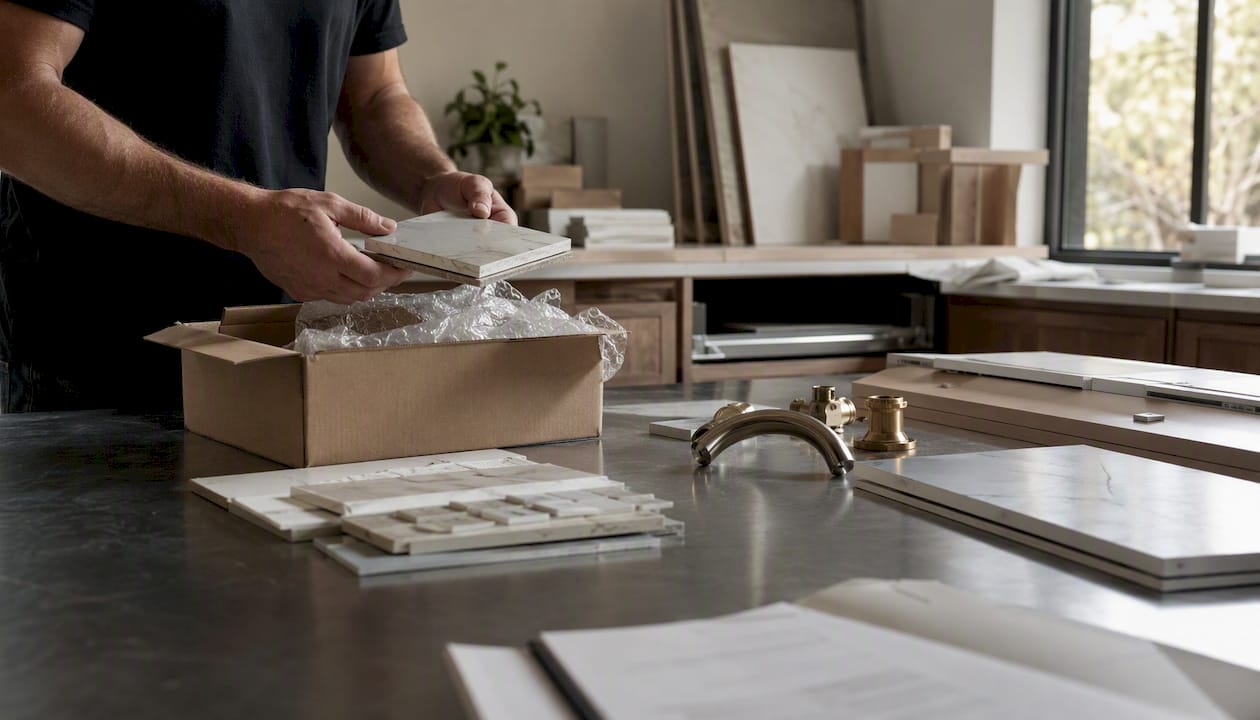
Cure times add a different kind of delay, one that no amount of budget or urgency can shorten. Waterproofing membranes and grout sealing require manufacturer-specified cure windows, commonly 24 to 72 hours, before the next trade can touch that surface. These are true dead days: no work happens, but the calendar keeps moving.
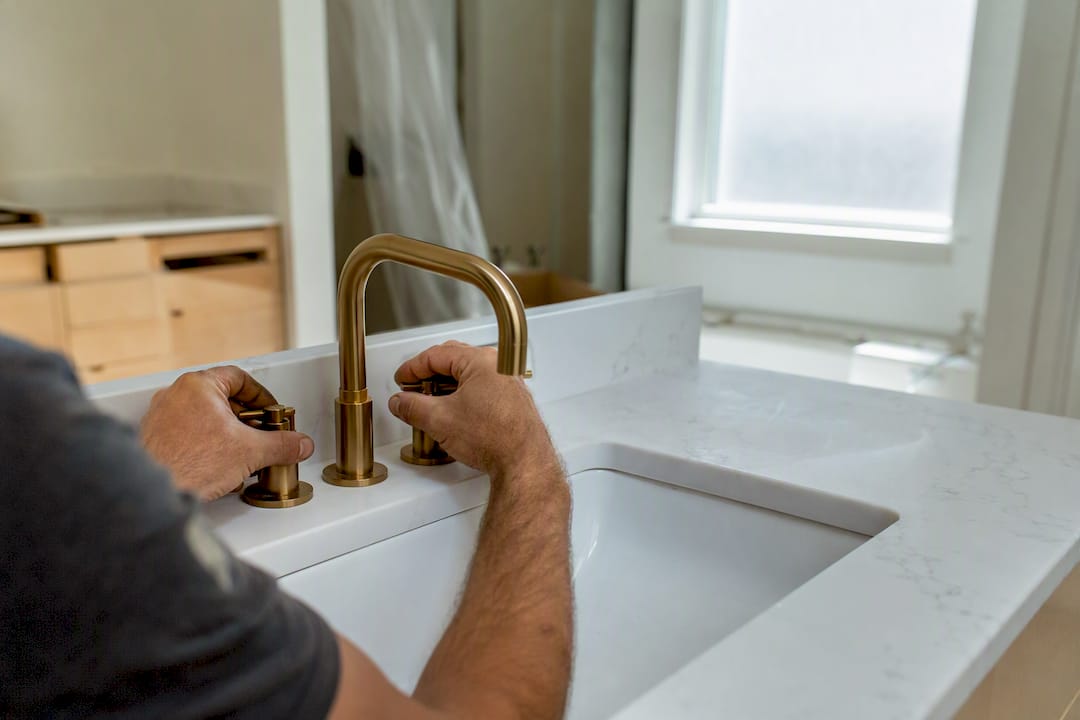
Shower glass adds delay since it cannot be templated until tile is set and cured, often extending fabrication into the project’s final phase by several weeks. Countertops face a similar constraint tied to cabinet installation.
The fix is overlap, not speed. Ordering long-lead items like custom vanities and glass during the 4 to 6 week pre-construction window, while permits process, means they’re often ready by the time construction reaches that step instead of adding a pause you didn’t budget for.
Seeing a bathroom renovation schedule mapped to actual scope makes the ranges above easier to picture.
A remodeling a bathroom duration only stays predictable if you treat planning as part of the schedule, not a delay before it starts.
For contingency planning, build in a buffer of 1 to 2 weeks beyond your contractor’s stated timeline, and hold back 10 to 15% of your budget for unexpected findings during demo. Set decision deadlines with your contractor in writing so a late-arriving preference doesn’t become a mid-project change order.
Pro Tip: Treat your selections meeting like a hard deadline, not a soft target. Every week you delay a decision on tile or a vanity style is a week added to the back end of your project, not absorbed somewhere else in the schedule.
Most delays we’ve outlined here trace back to coordination gaps between separate designers, suppliers, and trades. The Kitchen, Bathroom & Flooring Store handles design, product selection, ordering, and installation under one contract, which removes the handoff points where miscommunication usually causes a schedule to slip. When one team manages sequencing instead of three, decisions get locked earlier and long-lead orders go in sooner.
— Anna
Coordinating separate contractors for design, plumbing, tile, and cabinetry is where most bathroom remodel schedules fall apart, and it’s exactly what a packaged renovation is built to avoid. The Kitchen, Bathroom & Flooring Store combines design, product selection, and installation into one managed process, so long-lead items like vanities and glass get ordered while permits are still processing instead of after demo has already started.
That single point of coordination is what keeps a standard full bathroom on pace for the 6 to 12 week on-site window instead of drifting into an open-ended project with no one accountable for the gaps between trades. If you’re ready to see how a packaged timeline would map to your own bathroom, check out our bathroom remodeling packages and request a project quote to get a schedule built around your specific scope.