
Most St. Johns County homeowners spend somewhere between $3,800 and $15,000 on kitchen cabinets, with the typical project landing near $8,000. Cabinet tier and labor or permit requirements drive most of that swing. If you’re planning a project this year, set your target budget inside that range now, then request two or three written quotes from One Day Doors & Closets of Jacksonville before you commit to anything.
TL;DR:
- Most kitchen cabinet projects in Jacksonville cost between $3,800 and $15,000, depending heavily on cabinet tier, size, and layout features.
- Stock cabinets range from $60 to $200 per linear foot, semi-custom from $150 to $650, and custom from $500 to over $1,500, greatly influencing total cost.
- Permit, structural, and climate-related requirements can add several hundred to thousands of dollars, especially for load-bearing modifications or code upgrades.
- Budgeting for disposal, testing, and HOA or code-related modifications is essential, as these can significantly increase overall costs beyond initial quotes.
Jacksonville cabinet installation projects typically run $3,800 to $15,000, averaging close to $8,000. That’s a wide band, and where you land inside it depends almost entirely on cabinet tier, kitchen size, and how much demolition or electrical work the job needs.
Jacksonville tends to run a little friendlier than the national picture. A regional cost index puts the typical full kitchen remodel bid here near $29,297, with cabinet installation averaging roughly $7,650, both below what homeowners in many other metro areas face. Lower labor costs and a competitive contractor base in Duval and St. Johns counties help keep bids down, which means your dollar tends to stretch further here than the national averages you’ll see quoted in most remodeling guides.
Here’s what that looks like in practice:
Cabinet tier is the single biggest lever on your total bill, and the differences are steeper than most first-time remodelers expect. Cabinets typically eat up 25% to 35% of your total kitchen remodel budget, so getting this choice right matters more than almost any other decision you’ll make.
Beyond tier, certain choices reliably push costs higher: hardwood species like maple or cherry over paint-grade MDF, full-extension soft-close drawer glides, inset door construction (which requires tighter, costlier craftsmanship than overlay doors), and glass-front upper cabinets. Layout features add up fast, too. An island with its own cabinet run, a floor-to-ceiling pantry, or a corner Lazy Susan all increase your linear footage count, and every added foot carries the per-foot price with it.
Jacksonville’s labor market keeps a lid on remodel costs compared to bigger metro areas, but it isn’t free of pressure points. Skilled cabinet installers and finish carpenters stay busy here, especially during peak remodeling season from late fall through spring, and tight scheduling windows can nudge labor quotes upward.
Permits are the other variable worth watching closely. Permits and wind-code upgrades in the Jacksonville metro can add meaningfully to a remodel’s cost once structural work is involved. If your project touches load-bearing walls, electrical panels, or window openings near the kitchen, expect:
An approximate average for cabinet installation in the local market, excluding structural or code-triggered work, is several thousand dollars. Build a permit and contingency line into your budget before you compare bids, not after.
Lead time depends almost entirely on cabinet tier, and it’s one of the most common places homeowners get caught off guard. Stock cabinets ship fastest, often within days to a couple of weeks. Semi-custom typically runs four to eight weeks. Custom cabinetry can stretch eight to sixteen weeks or longer, depending on the shop’s backlog and how complex your finish selections are.
A realistic mid-range replacement timeline looks something like this:
Permitting can run parallel to manufacturing if you submit early, but delivery slot conflicts are the most common reason installs get pushed back. Confirm your delivery window before you schedule your installer.
It depends entirely on scope, and this is where a lot of budgets go sideways. A $10,000 budget realistically covers stock or lower semi-custom cabinets in a standard-size kitchen, especially if you’re refacing rather than fully replacing. A $30,000 budget typically covers a full mid-range remodel: semi-custom cabinets, new countertops, updated hardware, and modest layout changes, since cabinets generally consume 25% to 35% of a total remodel budget rather than the entire figure.
Financing options available locally include:
The Kitchen, Bathroom & Flooring Store’s financing program structures packaged remodels into monthly payments, which can make a $20,000 to $30,000 project feel far more manageable than paying the full amount upfront.
Pro Tip: Before you get quotes, decide your cabinet tier first. A $30,000 budget spent on custom cabinets alone leaves almost nothing for countertops or labor, but the same $30,000 spread across semi-custom cabinets and finishes covers a complete kitchen.
Getting quotes you can actually compare takes some prep work on your end. Here’s what to have ready and what to ask:
Red flags worth watching for: a quote with no line-item breakdown, a price that seems far below the local $8,000 average with no explanation, or a contractor unwilling to put warranty terms in writing.
Pro Tip: Ask every contractor the same six questions in the same order. It’s the fastest way to catch a quote that’s missing something the others included.
For homeowners who’d rather not manage design, cabinets, countertops, and installers separately, The Kitchen, Bathroom & Flooring Store’s kitchen remodeling packages bundle in-house design assistance, product selection, and professional installation under one roof. Financing options may be available to help turn a mid-range project into a predictable monthly payment instead of one large upfront cost.
A one-stop package tends to make the most sense if you’re juggling a job, kids, or simply don’t want to coordinate a designer, a cabinet supplier, and an installer separately. If your project is small, like refacing a handful of cabinet doors, hiring separate specialists might still work fine. But once your scope includes new cabinets, countertops, and layout changes together, one team managing the whole schedule and warranty tends to save you far more hassle than it costs.
Old cabinet removal isn’t always included in a base installation quote, and it’s one of the most commonly missed line items in Jacksonville estimates. Hauling and disposal fees for demolished cabinetry, countertops, and packaging materials typically add a few hundred dollars to a project, depending on how much debris your kitchen generates and whether your contractor includes a dumpster rental or makes multiple trips to a local disposal facility.
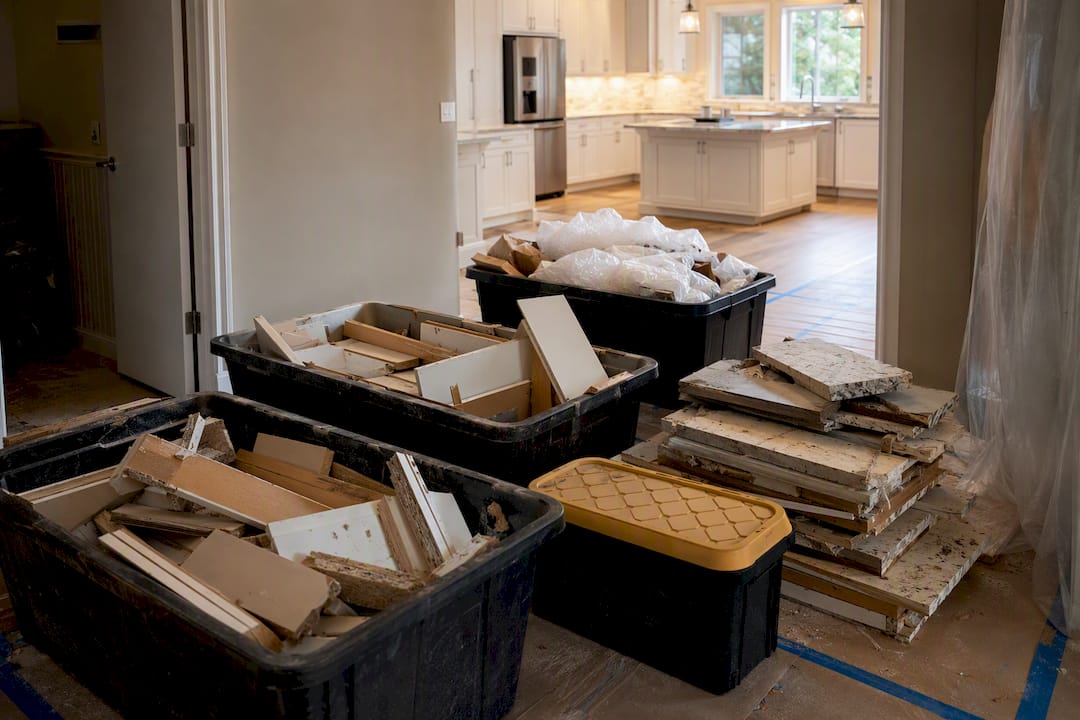
Homeowners doing a full gut renovation should also plan for asbestos or lead paint testing if their home was built before 1978, since older Jacksonville-area homes occasionally carry legacy materials in cabinet backing or wall surfaces that require special disposal handling. That testing and remediation, when needed, sits outside a standard cabinet quote entirely.
Other Jacksonville-specific line items worth asking about upfront: temporary kitchen setup costs if your remodel takes your cooking space offline for more than a few days, and delivery surcharges some cabinet manufacturers apply for rural St. Johns County addresses outside their standard service radius. None of these are typically deal breakers, but they add up quickly if you assume your quote covers everything and it doesn’t.
Ask your contractor directly whether hauling, disposal, and any testing fees are included in the number they’ve given you, or itemized separately. A written quote that spells this out saves you from an unpleasant surprise on installation day.
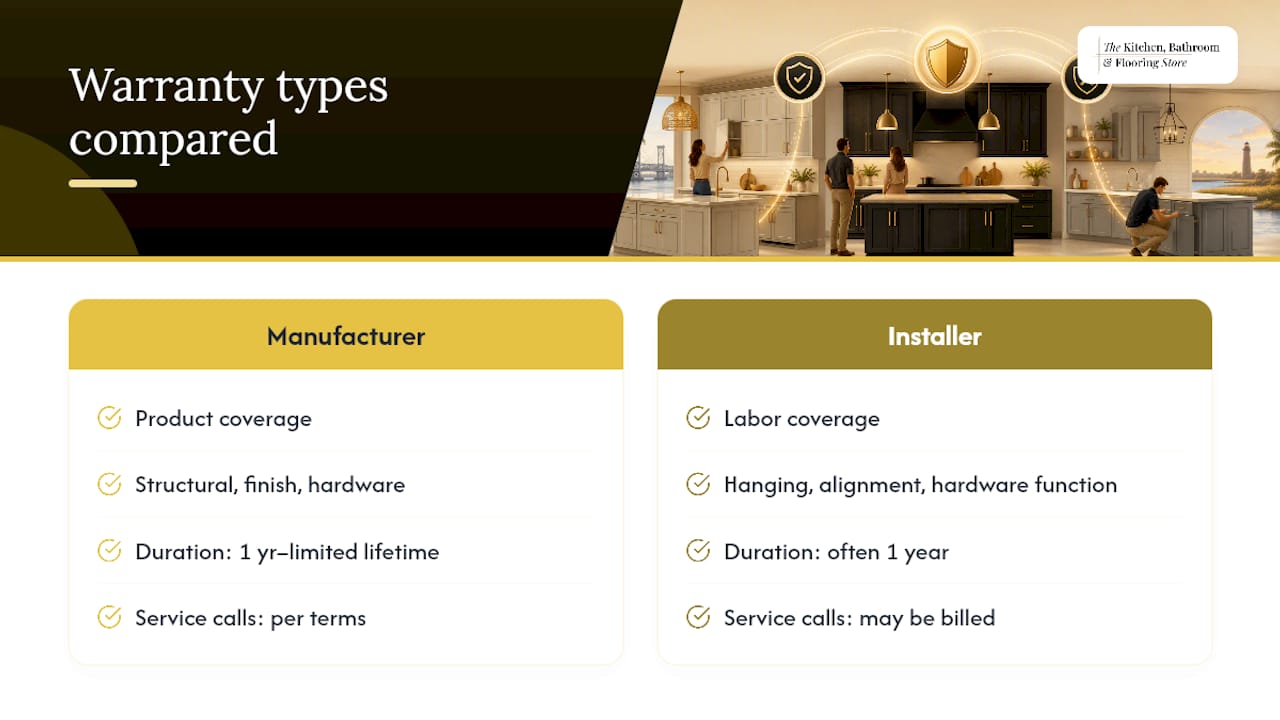
Warranty coverage in Jacksonville’s remodeling market typically comes in two separate layers, and homeowners often assume one covers the other when it doesn’t. Cabinet manufacturers generally offer product warranties covering structural defects, door and drawer hardware, and finish issues, often ranging from one year on budget stock lines to limited lifetime coverage on higher-end semi-custom and custom lines.
Installation warranties are a separate matter entirely, covering the labor itself: whether cabinets are hung level, doors align properly, and hardware functions correctly after the crew leaves. Local contractors vary widely here, with some offering a one-year labor warranty and others extending coverage further as part of a bundled remodel package.
Before signing anything, ask exactly what’s covered under each warranty, how long it lasts, and whether a service call to fix a misaligned door or a loose hinge is included at no charge or billed separately. A cabinet with a lifetime manufacturer warranty means little if the installer who hung it offers no labor coverage at all. Getting both warranties in writing, with clear terms on what triggers a service visit, protects you long after the installation crew has moved on to the next job.
Building codes rarely dictate what cabinets you can choose, but they can add cost when your remodel touches structural or electrical elements near your kitchen. Florida’s building code requires updated electrical work to meet current standards whenever a kitchen renovation involves rewiring, which can mean additional outlets, GFCI protection, or panel upgrades depending on your home’s age.
HOA guidelines are a different story, and one that trips up plenty of St. Johns County homeowners in planned communities. Some HOAs regulate exterior-visible elements tied to kitchen remodels, like window replacements or additions that change your home’s footprint, even when the cabinets themselves are entirely interior and unregulated. If your remodel is purely cosmetic and stays within existing walls, most HOAs have no say in your cabinet choice at all.
The safest move is checking your HOA’s architectural review requirements before you finalize plans, particularly if your project involves any exterior changes, structural modifications, or additions. It’s a five-minute phone call that can save weeks of delay if your association requires pre-approval for work that touches your home’s exterior appearance.
The biggest mistake I see homeowners make isn’t overspending on cabinets. It’s picking a finish and door style before they know what it actually costs installed. Get two or three written bids first, then let your budget guide the style, not the other way around. Visit a showroom, touch the samples, and compare line items side by side.
— Anna
If you’ve been comparing national averages and wondering how they apply to your own kitchen, the fastest way to know is a real, written quote from someone who works in Jacksonville and St. Johns County every day. The Kitchen, Bathroom & Flooring Store runs a local showroom with in-house design help, a full selection of cabinet tiers, and installation handled by one team from start to finish, so you’re not managing a designer, a cabinet supplier, and an installer separately.
Financing through The Kitchen, Bathroom & Flooring Store’s special financing program starts at $299 a month, which makes it easier to plan a mid-range remodel around a predictable monthly number instead of one large upfront payment. If your project includes new countertops alongside cabinets, it’s worth reviewing countertop options at the same time, since ordering both together often keeps your installation schedule tighter.
Visit the kitchen cabinet showroom page to browse cabinet styles and request a free written quote, or schedule a design consultation to see exactly what your space would cost before you commit to anything.