
A family-friendly kitchen is defined by durable surfaces, safe layouts, smart storage, and layered lighting that work together to support real daily life. The kitchen renovation features families love most are not about trends. They are about function, safety, and materials that hold up under heavy use. The national average for a kitchen renovation in 2026 is $26,962, which means every design decision carries real financial weight. Getting those decisions right from the start saves money and reduces stress for years to come.
Quartz is the top countertop choice for families, and the reason is straightforward. Quartz is non-porous, harder than granite, and requires no sealing. That means spilled juice, tomato sauce, and craft glue wipe off without staining. Granite, by contrast, needs annual sealing to stay stain-resistant, which adds ongoing maintenance most families skip.
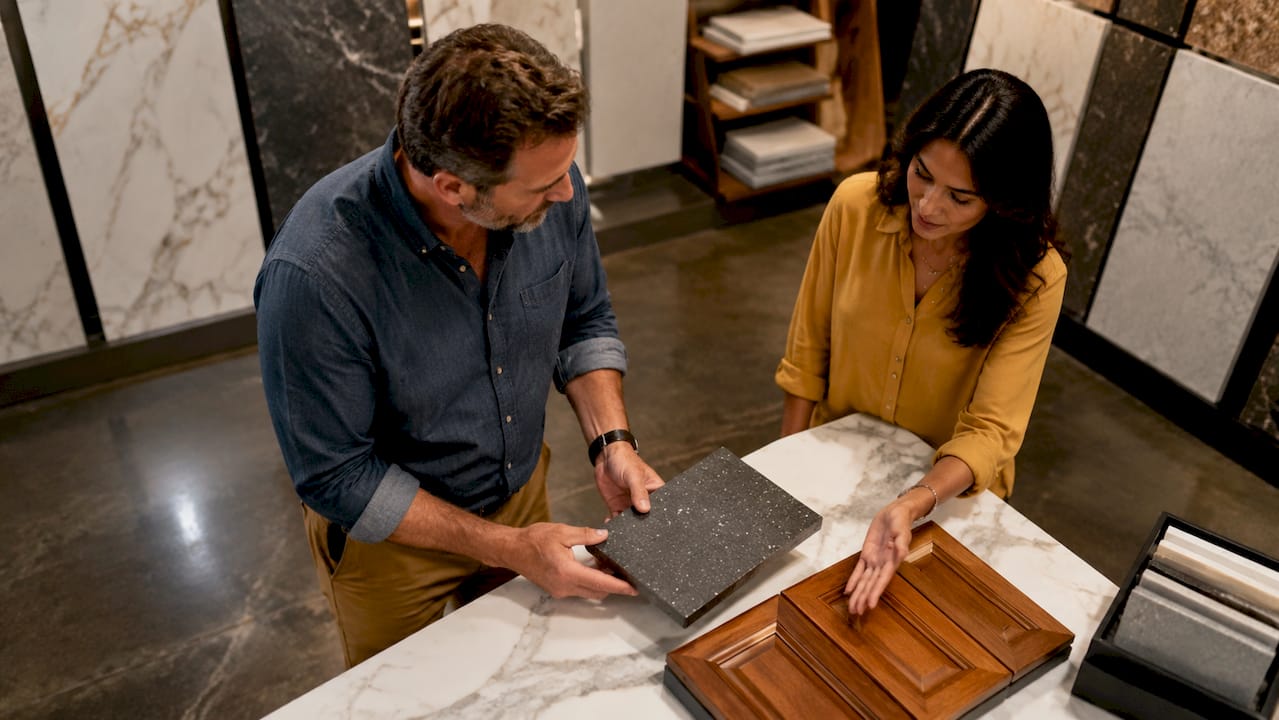
Flooring matters just as much as countertops. Porcelain tile and luxury vinyl plank both resist moisture and heavy foot traffic. Patterned or textured surfaces hide crumbs and scuff marks between cleanings, which is a real advantage in a home with kids.
| Material | Best for | Maintenance level |
|---|---|---|
| Quartz countertop | Stain and scratch resistance | Low |
| Porcelain tile floor | Moisture and impact resistance | Low |
| Luxury vinyl plank | Comfort underfoot, scratch resistance | Very low |
| Granite countertop | Natural stone aesthetics | Medium (requires sealing) |
Pro Tip: Choose a slightly textured or patterned floor tile rather than a solid light color. It hides dirt between sweeps and reduces how often you feel the need to mop.
Visit The Kitchen, Bathroom & Flooring Store to see quartz countertop options and flooring samples side by side before committing to a combination.
Layout is the single biggest cost lever in any kitchen renovation. Moving a kitchen sink can add $2,000 to $8,000 to your budget just for plumbing rerouting. Keeping your sink, dishwasher, and refrigerator in their existing positions preserves that money for cabinets, countertops, and finishes that families actually see and use every day.
Beyond cost, layout shapes how your family moves through the kitchen. A well-planned kitchen uses distinct zones to reduce congestion and prevent accidents.
Separating cooking hot zones from kid zones reduces safety risks and daily friction. When a toddler can grab a snack without walking past a hot stove, the whole kitchen runs more calmly. Designing kitchens around daily family routines promotes flow and reduces stress far more than following a strict design rule.
Check the 2026 kitchen remodel cost breakdown to see exactly where layout changes hit your budget hardest.
Storage is where family kitchens win or lose the daily battle against clutter. The right storage features give every family member a place to find what they need without creating chaos.
Pro Tip: Reserve one full lower cabinet as a “kids’ cabinet” stocked entirely with their dishes, snacks, and water bottles. It gives children ownership of their space and keeps adult cooking zones clear.
The single contractor renovation approach at The Kitchen, Bathroom & Flooring Store means your cabinetry, storage layout, and installation are all coordinated by one team, which eliminates the miscommunication that delays most remodels.
Poor lighting is a hidden source of daily stress in family kitchens. Layered and adjustable lighting reduces that stress by balancing bright task lights with warm ambient illumination. A kitchen that shifts from bright and functional during dinner prep to warm and calm during a late-night snack serves the family at every hour.
A layered lighting plan includes three types:
Dimmable controls on ambient and pendant lights are one of the most underrated features in family kitchen design. They cost relatively little to add during a renovation and deliver daily value. Soft lighting enhances the family meal experience and makes the kitchen feel inviting rather than clinical. A kitchen that feels calm encourages families to spend time together in it, which is the whole point.
The best family kitchens look loved, not sterile. Family kitchens should feel lived in, not like a showroom that no one is allowed to touch. Choosing materials and finishes that forgive daily wear removes the pressure to keep everything perfect, which is a genuine quality-of-life improvement.
Pairing essential family cookware with a well-designed kitchen makes the whole cooking experience more organized and enjoyable. The right kitchen design supports the tools your family already uses.
The role of color in kitchen renovation is a full topic on its own. Color choices affect how clean a kitchen looks, how large it feels, and how much maintenance it demands over time.
The most effective family kitchen renovation combines durable, low-maintenance materials with a zone-based layout, smart storage, and layered lighting to support real daily routines and reduce household stress.
| Point | Details |
|---|---|
| Choose quartz over granite | Quartz is non-porous and requires no sealing, making it ideal for busy family kitchens. |
| Keep existing plumbing in place | Relocating a sink adds $2,000–$8,000 to renovation costs with no functional gain. |
| Separate hot zones from kid zones | Physical zone separation reduces safety risks and daily friction for families with children. |
| Use layered, dimmable lighting | Task, ambient, and accent lighting together reduce stress and improve kitchen usability. |
| Pick forgiving finishes | Matte colors and patterned flooring hide wear and reduce maintenance pressure. |
Most families walk into a renovation focused on aesthetics. They want a beautiful kitchen. That is a reasonable goal. But the families who end up happiest with their remodels are the ones who spent time mapping their daily routines before choosing a single finish.
The detail that surprises most people is how much a dedicated snack zone changes family dynamics. When kids have a clear, accessible spot for their food and drinks, the number of interruptions during cooking drops noticeably. It sounds minor. It is not.
I have also seen families overspend on layout changes that deliver no real functional improvement. Moving a sink to the island looks great on a design board. But it adds thousands to the budget and rarely changes how the kitchen actually works. Keeping utilities in place and spending that money on better cabinetry, storage hardware, and lighting delivers far more daily value.
The lived-in aesthetic is worth embracing from the start. A kitchen that looks perfect but feels fragile creates stress. A kitchen built from durable, forgiving materials invites your family to actually use it, which is the whole reason you are renovating in the first place.
— Anna
Families planning a kitchen renovation get the best results when design, materials, and installation are handled by one team that understands how the pieces connect.
The Kitchen, Bathroom & Flooring Store offers personalized design consultations, a wide selection of quartz countertops, cabinetry, and flooring options suited to active family homes. Our team handles the full renovation from start to finish, with no need to coordinate separate contractors. Visit our Jacksonville showroom or browse our kitchen and bathroom remodeling packages to find the right fit for your family’s budget and lifestyle. We are here to help you build a kitchen your family will use and love every day.
Quartz is the best countertop choice for families because it is non-porous, resists stains and scratches, and requires no sealing. It outperforms granite in low-maintenance durability for busy kitchens.
Keeping your sink, stove, and refrigerator in their existing positions avoids costly plumbing and electrical rerouting. Moving a sink alone can add $2,000 to $8,000 to your total renovation budget.
Soft-close pull-out drawers at a lower height give children safe, independent access to their items. A dedicated snack drawer and lunchbox station reduce morning chaos and keep adult cooking zones clear.
A layered plan combining under-cabinet task lighting, recessed ambient lights, and dimmable pendant fixtures covers every need. Dimmable controls let you shift from bright cooking mode to a calm evening atmosphere.
Matte cabinet finishes in soft grays, warm whites, or sage hide fingerprints and minor scuffs better than high-gloss surfaces. Patterned or textured flooring camouflages crumbs and foot traffic marks between cleanings.