
A one stop remodel service is a comprehensive home renovation solution that places design, material selection, project management, and installation under a single coordinating team. The industry term for this model is “turnkey remodeling,” and it eliminates the need to hire and schedule multiple contractors separately. For homeowners and renters who want a modernized living space without the chaos of managing a dozen moving parts, this approach is the most direct path from idea to finished room. This guide walks you through every phase, explains the real benefits of centralized oversight, and shows you how to stay on budget from start to finish.
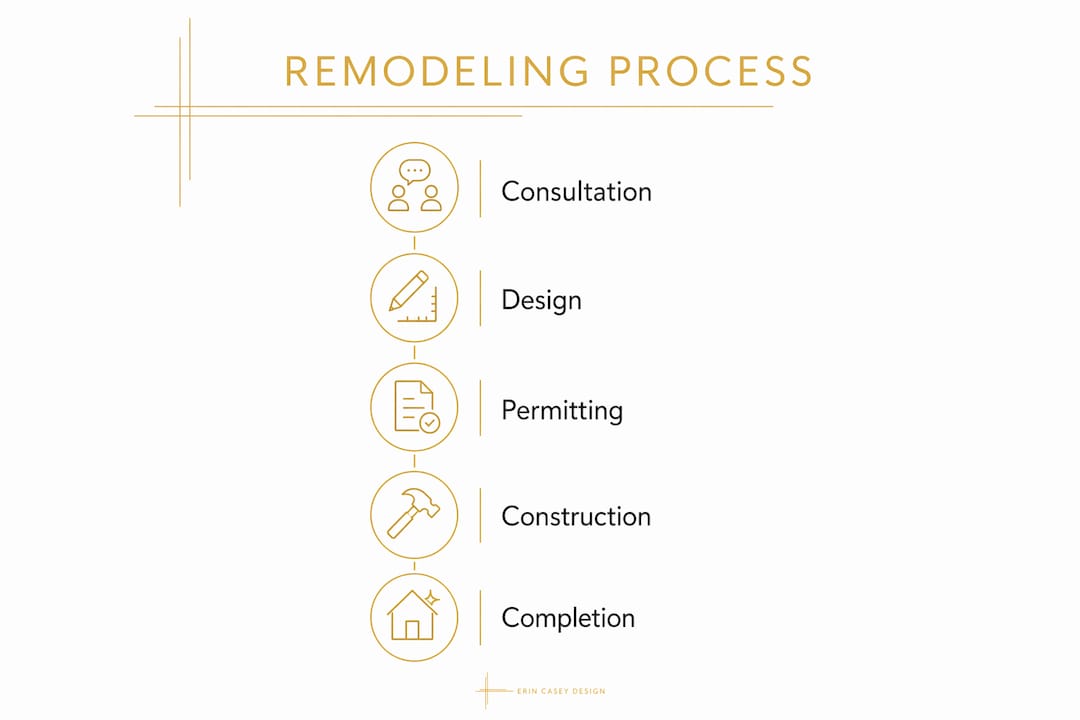
A one stop remodel service, also called turnkey remodeling, follows a five-step structure: initial consultation and planning, design and material selection, permitting and preparation, construction and installation, and final walkthrough and completion. Each phase connects directly to the next, managed by the same team throughout. That continuity is what separates this model from traditional piecemeal contracting, where you hire a designer, then a general contractor, then specialty trades separately.
The consultation phase sets the scope, budget, and timeline. Your project manager documents your goals, flags structural constraints, and identifies which permits your municipality requires. Design and material selection follow, where you choose cabinetry, flooring, fixtures, and finishes as a coordinated package rather than as disconnected decisions.

Permitting and preparation often surprise first-time remodelers. Permit approvals can take anywhere from a few days to several weeks depending on your local building department. A turnkey team handles all permit applications and inspections, so you never have to track down a building official yourself.
Construction and installation run concurrently where possible. Skilled tradespeople handle plumbing, electrical, tile work, and cabinetry in a coordinated sequence. The final walkthrough produces a punch list, a written record of any items needing correction before the project closes.
| Phase | Typical Duration | Who Leads It |
|---|---|---|
| Consultation and planning | 1–2 weeks | Project manager |
| Design and material selection | 2–4 weeks | Designer and homeowner |
| Permitting and preparation | 1–6 weeks | Project manager |
| Construction and installation | 4–10 weeks | Trade crews |
| Final walkthrough | 1–3 days | Project manager and homeowner |
Pro Tip: Ask your project manager for a written schedule with milestone dates before construction begins. A clear timeline prevents the most common source of homeowner frustration: not knowing what happens next.
Whole-home remodeling projects typically run 3–8 months from first consultation to final walkthrough. Single-room projects like a bathroom remodel often finish in 3–4 weeks, while a full kitchen renovation or addition can run 8–12 weeks or more. Your design choices directly affect this timeline. Custom cabinetry, for example, has longer lead times than stock cabinet lines.
Centralized project management eliminates scheduling conflicts that routinely delay piecemeal projects. When one team coordinates all trades, there are no gaps where a plumber waits on an electrician who was never scheduled. That coordination alone accounts for weeks of saved time on mid-size projects.
The benefits go beyond speed. Here is what homeowners consistently report when they use a turnkey approach:
“Clients approve design and materials once, then rely on a single team for all phases. That single approval process is what eliminates the endless back-and-forth that derails so many renovation projects.” — Kern & Co.
This model is especially practical for remote homeowners, people managing a renovation while living in the home, and renters working with landlords on upgrades. The single contractor approach reduces the number of strangers entering your home and keeps your daily routine as stable as possible.
Good design planning starts with two questions: how do you use this space daily, and what will a buyer expect if you sell in five years? Aligning your design goals with both lifestyle and resale value keeps you from over-investing in finishes that do not pay back.
Working with remodeling professionals produces more cohesive results than sourcing materials independently. A designer who knows your full project can flag conflicts early, like a cabinet layout that blocks natural light, before installation begins. That kind of coordination is difficult to replicate when you are managing multiple vendors.
Material selection requires balancing four factors:
Pro Tip: Visit a physical showroom before finalizing any material choices. Seeing and touching a finish in person prevents the most common regret in remodeling: ordering something that looks different in your home than it did on a screen.
Showrooms like The Kitchen, Bathroom & Flooring Store offer a tactile experience for finishes and fixtures that no website can replicate. You can compare cabinet door styles, feel the weight of hardware, and hold flooring samples against paint swatches in real light. That hands-on process accelerates decisions and reduces costly change orders later. For budgeting specifics, a detailed kitchen remodel cost breakdown helps you set realistic expectations before your first consultation.
Common remodeling challenges include permit delays, budget overruns, and miscommunication between homeowners and contractors. Knowing these risks in advance lets you build them into your plan rather than react to them mid-project.
Permit delays are the most unpredictable variable. Some municipalities approve permits in 48 hours. Others take six weeks. A turnkey team that has worked in your area knows the local timeline and submits applications early. Ask your project manager how long permits typically take in your city before you set a move-in date.
Budget overruns almost always trace back to change orders, which are modifications made after construction begins. Every change order adds cost and time. The best way to avoid them is to finalize your design completely before demolition starts. Changing a cabinet layout after framing is done costs three to five times more than changing it on paper.
Here are the most effective ways to keep your project on track:
Proactive scheduling, clear communication, and a thorough final walkthrough are the three practices that separate smooth projects from stressful ones. Homeowners who treat the design phase as a fixed commitment rather than a flexible starting point consistently report fewer surprises and lower final costs.
A one stop remodel service reduces cost, stress, and timeline by placing every phase of your renovation under a single coordinating team with unified accountability.
| Point | Details |
|---|---|
| Follow the five-phase process | Consultation, design, permitting, construction, and final walkthrough form the standard turnkey structure. |
| Expect realistic timelines | Whole-home projects run 3–8 months; single rooms like bathrooms often finish in 3–4 weeks. |
| Centralized oversight saves time | One team managing all trades eliminates scheduling gaps and speeds up completion. |
| Finalize design before demolition | Change orders after construction begins cost significantly more than changes made on paper. |
| Use a showroom for material selection | Seeing and touching finishes in person reduces costly mistakes and change orders. |
After years of watching renovation projects unfold, the pattern I see most often is this: homeowners spend months researching materials and almost no time researching how their project will be managed. They find a tile they love, a cabinet line that fits their budget, and a countertop that photographs well. Then they hire three separate contractors and spend the next four months playing referee.
The management structure of a remodel determines its outcome more than any single material choice. A beautiful kitchen designed by three uncoordinated vendors will have gaps, delays, and mismatched details that no amount of premium tile can fix. A well-managed project with mid-range materials will finish on time, on budget, and look intentional.
Full-service remodeling initially appears costly, but it yields higher ROI through faster completion and unified warranties. That math holds up when you factor in the cost of delays, the time you spend managing contractors, and the stress of living in a construction zone longer than necessary.
My honest advice: treat the project manager as the most important hire you make, not the last one. Ask how they handle permit delays, how they communicate schedule changes, and what their punch list process looks like. A contractor who answers those questions confidently is worth more than one who shows you a beautiful portfolio but cannot explain their process.
— Anna
The Kitchen, Bathroom & Flooring Store handles every phase of your renovation from the first design consultation through final installation, with no need to coordinate outside contractors. Our Jacksonville, FL showroom lets you see full-size displays of cabinetry, flooring, and fixtures together, so your design decisions are grounded in reality, not guesswork.
We offer complete kitchen remodeling packages and bathroom remodeling packages built for homeowners who want a finished result without managing the process themselves. Our team handles design, permits, installation, and the final walkthrough as one coordinated service. If budget flexibility matters to you, we also offer financing options to help you move forward without delaying your project.
A one stop remodel service, also called turnkey remodeling, is a home renovation model where a single company manages all phases from design and material selection through construction and final inspection. It eliminates the need to hire and coordinate multiple separate contractors.
Whole-home projects typically run 3–8 months, while single-room renovations like a bathroom remodel can finish in 3–4 weeks. Kitchen renovations and additions often take 8–12 weeks or more depending on scope and permit timelines.
A punch list is a written record of items that need correction or completion before a project officially closes. It is produced during the final walkthrough and protects homeowners by documenting outstanding work the contractor must finish.
Finalize your design completely before construction begins, and set aside a contingency budget of 10–15% for unexpected discoveries like water damage or outdated wiring. Most overruns trace directly to change orders made after demolition starts.
Seeing and touching finishes in person prevents the most common remodeling regret: ordering materials that look different in your home than they appeared on a screen. Showrooms like The Kitchen, Bathroom & Flooring Store let you compare cabinet styles, flooring, and fixtures together under real lighting conditions.