
Yes, you can have a window in a shower, but it has to be planned as part of the waterproofed enclosure rather than treated as an ordinary wall opening. That means safety glazing where code requires it, a drained sill detail that lets water exit to the outside, and placement that protects both privacy and the surrounding finishes. Get those three right and a shower window works beautifully for years.
TL;DR:
- A soft, discolored sill or flashing that was never tied into the wall signals replacement; sound framing can usually take a privacy retrofit instead.
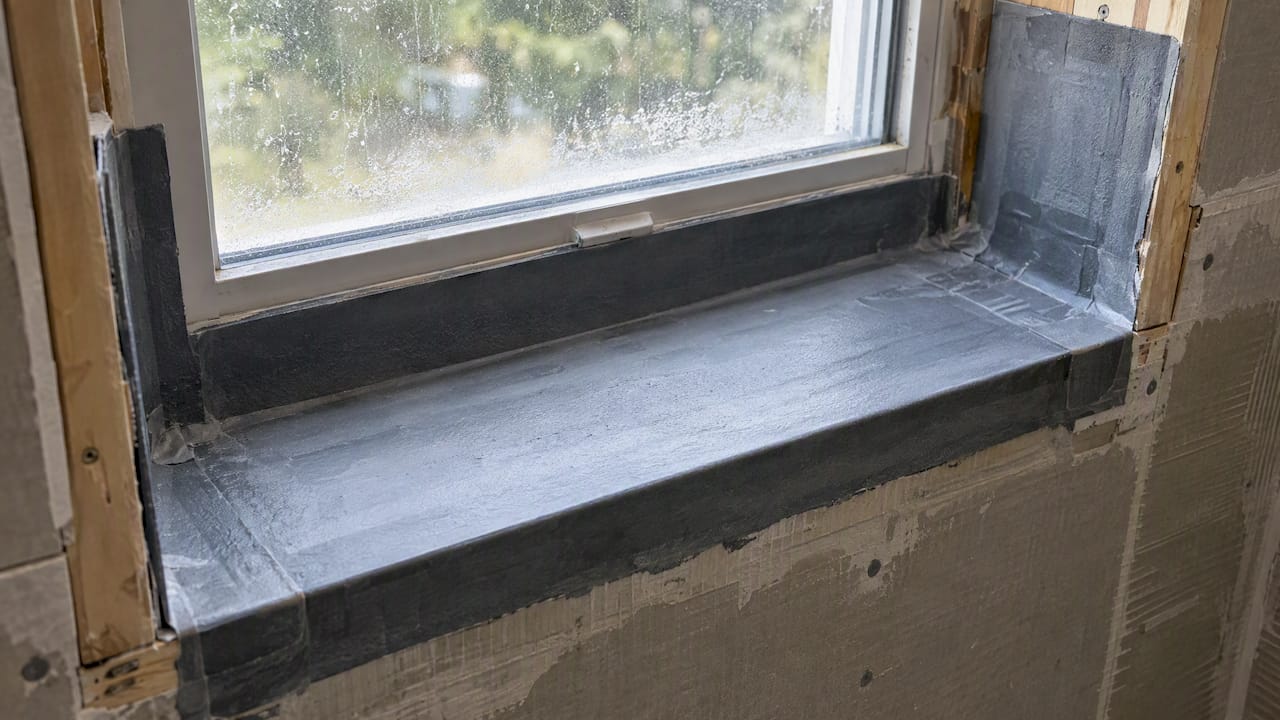
- Specify a drained sill pan with back and end dams, a slight slope toward the shower, and membrane flashing that sheds water outward.
- For lasting privacy, choose obscure or textured glass; film rated for wet environments costs less but can bubble, while a higher sill limits outside sightlines.
- Use tempered or laminated safety glass in the shower opening, and choose vinyl or fiberglass frames over bare wood to resist moisture damage.
- Fixed windows lower leak risk; awning or casement styles allow airflow when open, but mechanical exhaust remains necessary even with an operable window.
A window inside a shower brings in daylight, makes a small bathroom feel bigger, and gives you a natural way to clear steam after a hot shower with the right interior doors for your bathroom coordinating smartly. Those are real upgrades, especially in older homes where the bathroom has no other light source.
The catch is that a window inside the wet zone sits in a different category than a window on a dry wall. It gets direct spray, standing humidity, and constant temperature swings, so the flashing, glazing, and trim all need to perform like part of the shower pan rather than like a typical exterior opening.
When you’re remodeling, you generally have three paths:
Privacy is usually the first concern homeowners raise, and the good news is that most solutions built for bathrooms hold up well in constant moisture. Obscure or frosted glass and sandblasted or textured glazing are durable choices because the treatment is part of the glass itself, not a surface layer that can peel. Shower-rated privacy films are a lower-cost option, but they need to be rated for wet environments or they’ll bubble and lift over time.
Placement does a lot of the work, too. Windows set high on the wall, narrow clerestory openings, and transom-style glazing all close off sightlines from outside while staying above the direct spray zone, which also helps the waterproofing hold up longer.
Pro Tip: Pair obscure glass with a higher sill height rather than relying on film alone. It gives you two layers of privacy instead of one.
The sill is where most shower window leaks start, and it’s also the easiest detail to get wrong if it isn’t planned from the beginning. Building America research treats pan flashing with a back dam and end dams as central to keeping water out of window openings, with the sill left free to drain to the exterior rather than sealed shut.
A few principles separate a window that lasts from one that fails within a few years:
Drained installations are the industry’s preferred method over barrier-only systems because they manage small amounts of water infiltration by directing it back outside instead of hoping it never gets in at all, according to Building America’s water management research.
For retrofits where the exterior can’t easily be opened, an interior pan with a routed drainage path and careful membrane tie-in can save an existing window opening. It’s a delicate detail, and it’s one best left to a remodeler who has done it before.
Not every window style belongs in a shower. Fixed windows carry the lowest leak risk because they have no operating hardware to trap water or wear out over time, making them a smart choice when you only need daylight and not airflow.
When ventilation matters, awning and casement windows outperform horizontal sliders. Pella’s bathroom window guidance points out that awning windows shed water while cracked open, since they tilt outward from the bottom, while sliders can pool water along the track.
Where you put the window matters as much as what kind you choose. High, narrow windows, clerestories, and transoms sit above typical spray paths, which cuts down on both leak risk and the chance a neighbor can see in.
Glass block and textured glazing panels are worth a look too, since they diffuse light attractively and simplify the waterproofing detail compared to a standard operable sash. Pella’s design guidance notes that placement reducing direct spray contact extends the service life of both the window and the surrounding finishes.
Before work starts, it’s worth asking a few direct questions so you know the window is getting the same attention as the rest of the shower pan.
Once it’s installed, maintenance is light but shouldn’t be skipped: check seals and caulk lines twice a year, wipe down glass and film to prevent mineral buildup, and watch trim and paint for early signs of moisture damage.
Pro Tip: A fogged or peeling window trim is often the first visible sign of a sill problem, long before you’d see it on the tile itself.
Mechanical exhaust ventilation remains necessary even with an operable window, since windows are rarely opened consistently enough to manage daily shower moisture on their own.
In our experience walking through older Florida bathrooms, the deciding factor is almost always the sill. If it’s soft, discolored, or the flashing was never tied into the wall assembly, replacement is the honest answer, because no amount of new caulk fixes a structural water path.
If the bones are sound, a retrofit with better glazing or film is often enough to solve privacy without touching the waterproofing at all. We’ve found that homeowners appreciate knowing which category their window falls into before they spend money on the wrong fix. It’s a judgment call that benefits from seeing a lot of shower walls opened up, not just reading a spec sheet.
— Anna
We handle the design, waterproofing plan, and installation of shower windows under one roof, so you’re not coordinating a glass contractor, a tile setter, and a waterproofing specialist separately. Our bathroom remodeling packages include a design consult, a waterproofing plan built around your specific window and layout, in-house warranty coverage, and project management from start to finish.

If your current shower window needs new glazing, better flashing, or a full shower and tub installation, reach out for a design consult and we’ll walk the space with you.
A window in a shower is a good idea when it’s planned with safety glazing, a drained sill, and placement that protects privacy. The daylight and ventilation benefits are real, but the window has to be treated as part of the waterproofing system rather than a standard wall opening.
Start by checking the sill and flashing for rot or past leaks, since that determines whether you repair, retrofit, or replace. If the structure is sound, upgrading to obscure glass, shower-rated film, or better trim is usually enough to improve privacy and comfort.
A window in a shower is only a problem when it lacks proper flashing, drainage, or safety glazing. With a drained sill pan and integrated membrane, it performs as reliably as any other part of the shower enclosure.
Fixed windows carry the lowest leak risk for daylight-only openings, while awning or casement windows work well when ventilation is needed because they shed water when cracked open. Frames in vinyl, fiberglass, or PVC-clad wood resist moisture damage better than bare wood, and the glazing should be tempered or laminated safety glass.